
Samsung Launches Sokatoa to Enhance GPU Performance Analysis on Android


Bringing multi-frame GPU profiling, Sokatoa enables developers to identify and resolve complex graphics performance issues with greater speed and precision
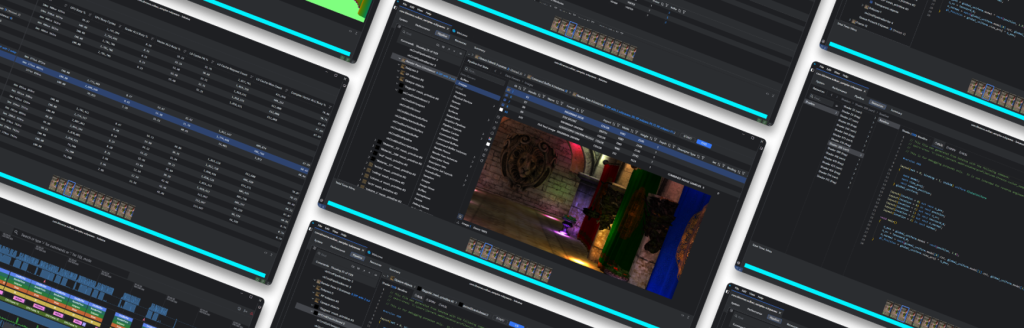
Samsung Austin Research and Development Center (SARC) and Advanced Computing Lab (ACL), Samsung Semiconductor’s U.S.-based design center focused on GPU, System IP and SoC architecture, today announced the launch of Sokatoa, a new GPU profiler for Android.
While Sokatoa was optimized specifically for Android game developers, it can be used by any developer working on graphics-intensive mobile applications built on the Android platform. Sokatoa supports Samsung’s Xclipse GPU and other industry leading GPUs on Android devices.
“We understand the challenges Android developers face when optimizing the graphical performance of their applications,” said Taekhyun Kim, Vice President of GPU Software Development at SARC/ACL. “Our new GPU profiler for Android with multi-frame support gives graphics developers the tools they have been lacking to identify and resolve rendering bottlenecks more efficiently, leading to smoother, more stable and visually stunning Android experiences on Samsung, Qualcomm and ARM GPUs.”
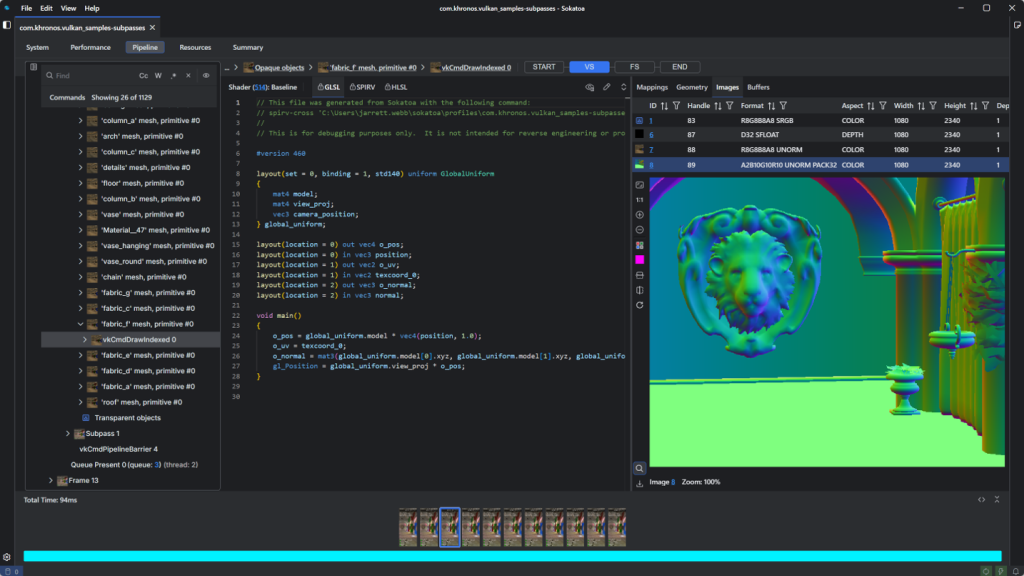
Sokatoa’s multi-frame profiling elevates productivity for graphics developers building graphics-intensive applications for Android. By stepping through multiple frames of GPU rendering simultaneously, developers gain deeper insight into complex graphical issues that have traditionally been difficult and time-consuming to diagnose. Locating and diagnosing performance or rendering problems is easier and faster in Sokatoa due to its rich data visualizations and modern user experience.
Key Product Highlights
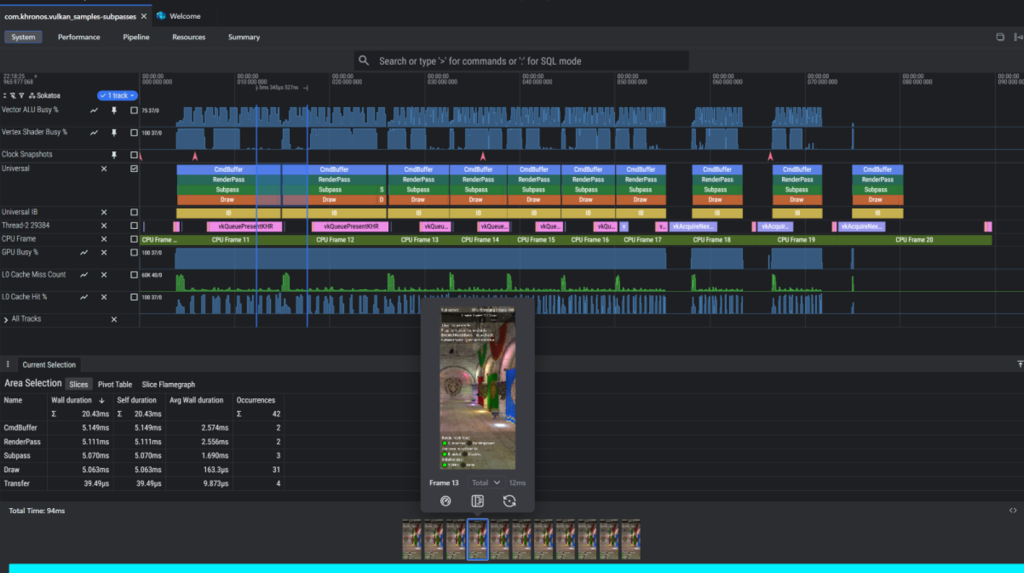
- Multi-Frame GPU Profiling
Developers can analyze rendering behavior across multiple frames to uncover intermittent, frame-to-frame performance issues that are difficult to detect with single-frame capture tools.
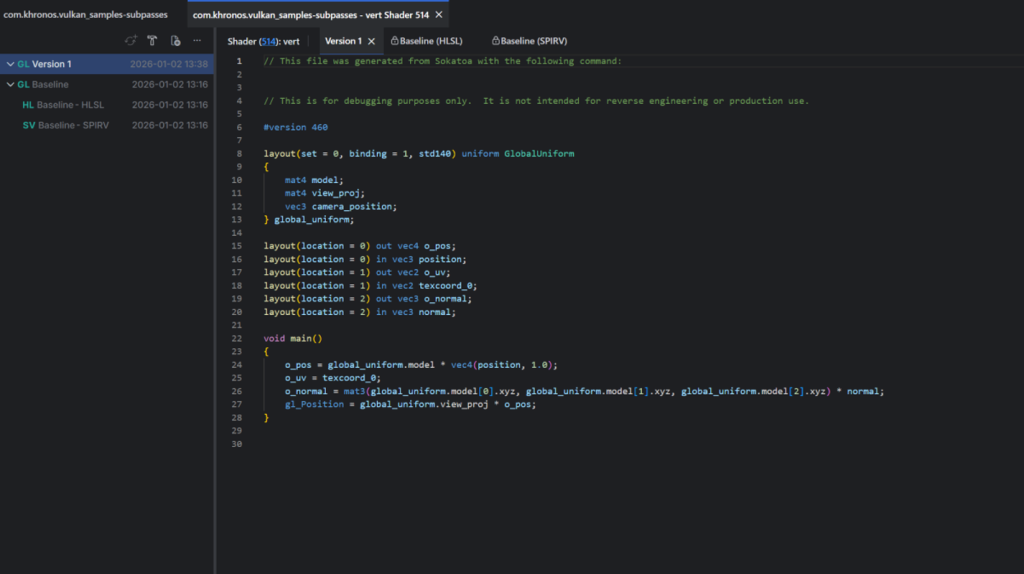
- Fast Iteration Through Shader Editing and On-Device Replay
Developers can edit shaders, replay workloads directly on device and compare results instantly—dramatically shortening the optimize-test-iterate loop for graphics and game development.
- Built in Collaboration with Industry Leaders
Developed in collaboration with Samsung Semiconductor, Google and LunarG, Sokatoa aligns closely with modern Android and Vulkan workflows, ensuring accuracy, performance relevance and forward compatibility.
- Extension-First Architecture for Custom GPU Insights
Sokatoa is designed to be extensible from day one, allowing GPU vendors, third-party tool developers and studios to build custom extensions—similar to VS Code plugins—for metrics, analysis panels and workflow automation.
- Free and Open Source
Sokatoa is free to download and use, and will become open source later this year.
Early Access Partners Validate Sokatoa’s Impact on Android Graphics Development
Early access partners across the Android graphics ecosystem report that Sokatoa provides deeper GPU visibility, supports faster iteration and improves confidence when optimizing performance for graphics-intensive Android applications.
We’ve been testing Sokatoa since the first beta release and one capability we like is that we can see two traces side-by-side. Comparing differences visually has proven helpful for quickly isolating problem areas. We like that we can use Sokatoa to correlate the data from a draw call to a frame.
Vinh Truong, Graphics Engineer, Supercell
We evaluated Sokatoa across several of our titles and found it to work reliably without requiring additional setup or special debugging effort. Its intuitive workflow and stability stood out compared to other GPU profiling tools we’ve used.
Edwin Smith, Senior Graphics Engineer, Feral Interactive
Teams in our ecosystem have been testing Sokatoa and have shared positive feedback on the quality and usefulness of the GPU data it provides. We look forward to seeing Sokatoa continue to evolve and add new capabilities over time.
Oliver Schnabel, Graphics Product Manager, Unity
About Samsung SARC/ACL:
Samsung Austin Research and Development Center (SARC) and Advanced Computing Lab (ACL) is a U.S.-based R&D organization within Samsung Semiconductor focused on advancing next-generation semiconductor and computing technologies. With teams across California and Texas, SARC/ACL drives GPU, System IP and SoC architecture innovation powering premium consumer devices worldwide. As the first to bring hardware-accelerated ray tracing to mobile platforms, SARC/ACL continues to push the boundaries of high-performing, power-efficient computing—shaping the future of immersive graphics experiences and beyond.
Related tag
Related Stories
-
 2026.03.13[Video] The HBM4 Infographic: Key Specs and Performance Leap
 -
 2026.01.09[CES Innovation Awards® 2026 Honoree] Portable SSD T7 Resurrected: 100% Recycled Aluminum Body Case and Recyclable Packaging, Designed for Circular Resource Use
 -
 2026.01.09[CES Innovation Awards® 2026 Honoree] Detachable AutoSSD: Industry’s First Detachable, High-Performance Automotive SSD